Renter-Friendly Solutions • 9 min read
Tension Rod Storage Ideas for Maximizing Space in Rental Homes
 MyGlowHome Editorial
Introduction
Rental homes often have more usable space than they appear to offer, but most of it goes unused. Corners, vertical gaps, and cabinet interiors are rarely optimized. At the same time, drilling is not an option for many renters, which limits traditional shelving installations.
Tension rods fill that gap by creating adjustable, non-permanent support points in minutes. Their value isn’t raw strength it’s how easily they let you reorganize space without committing to a fixed layout.
For how tension rods fit alongside other no-drill systems, see which no-drill storage system is right for your rental guide.
Why Tension Rods Work in Rental Spaces
Tension rods rely on pressure between two surfaces rather than adhesives or screws. That makes them reliable on the right surfaces and easy to reposition across rooms. They are most effective when used to divide space or support light-to-medium loads not as a replacement for structural shelving.
Practical Tension Rod Storage Applications
1. Closet Expansion System
Closets usually waste vertical space above and below the main rod.
Use a second rod to create layered hanging sections.
Best use cases:
- Shirts and lightweight clothing
- Seasonal separation
- Bags and accessories
A practical choice for expanding closet space is an adjustable closet tension rod that creates additional hanging layers and improves vertical storage without drilling or permanent installation.
What works well:
- Adds instant hanging capacity
- No permanent changes
Limitations:
- Not for heavy coats
- Needs firm side walls for grip
Tension rods are one of the most effective tools inside a closet no-drill closet organizers for renters shows how to combine them with hanging doublers and shelf systems.
2. Kitchen Vertical Organization
Small rods can turn narrow gaps into usable storage.
Best use cases:
- Hanging utensils
- Spray bottles under sinks
- Lightweight tools
A decent choice for tight spaces is a short tension rod for cabinets that fits inside narrow gaps and creates instant hanging or storage space without drilling.
What works well:
- Frees counter space
- Keeps daily items within reach
Limitations:
- Heat and moisture can reduce grip over time
The most practical kitchen applications for tension rods, under the sink, inside cabinets, and on pantry doors are covered in full in no-drill kitchen storage ideas.
3. Bathroom Separation Storage
Bathrooms are ideal for tension rods due to tight wall spacing.
Use cases:
- Towels and cloths
- Hanging baskets
- Shower separation
A reliable option for this setup is a heavy-duty shower tension rod designed for strong grip and adjustable support in tight spaces.
What works well:
- Fits tight spaces easily
- Quick installation
Limitations:
- Needs periodic tightening in humid environments
For tension rod applications beyond the shower, no-drill bathroom storage ideas covers how to use them under the sink and around the vanity as well.
4. Window and Corner Utilization
Unused corners and window frames can hold light storage.
Best use cases:
- Light curtains
- Small hanging organizers
- Decorative storage
What works well:
- Uses dead space
- Adds function without clutter
Limitations:
- Not suitable for dynamic or heavy loads
Tension Rod Weight Limits: What You're Actually Working With
The honest answer is that tension rod capacity varies a lot depending on type and material and most people only own the cheapest kind without realizing it. Here's how they actually break down:
Rod Type | Material | Weight Limit | Best For |
|---|---|---|---|
Spring tension rod | Plastic or basic metal | 10–15 lbs max | Shower curtains, blinds, light cabinet use |
Standard aluminum rod | Aluminum | ~20 lbs | Closet clothing, curtains, lightweight organizers |
Heavy-duty aluminum rod | High-density aluminum alloy | Up to 30–35 lbs | Secondary closet rods, heavier clothing, baskets |
How this maps to each section in this article:
Standard aluminum rods handle around 20 lbs, which is plenty for a shower curtain or hanging lightweight clothes. That covers sections 1, 3, and 4 comfortably. For section 2 tight kitchen gaps with hanging utensils or spray bottles a spring rod is usually fine, since those loads rarely push past 5–10 lbs. Sections requiring baskets or heavier items are where you want to step up to heavy-duty aluminum at minimum.
One thing worth repeating: even though both ends of the rod have rubber tips, high pressure against drywall can still leave marks or cause cracking over time something to factor in before you go heavy-duty on a thin rental wall. The rod type matters, but so does what it's pressing against.
Tension rods have a wider weight range than most people expect, but that range depends heavily on the specific type and installation how much weight no-drill storage can hold has the detailed breakdown.
Common Mistakes with Tension Rod Systems
Overloading single rods
Weight concentration causes slippage over time.
Ignoring surface grip
Weak or uneven walls reduce pressure stability.
Incorrect sizing
Overextending rods reduces locking strength.
How to Use Tension Rods Effectively
Treat rods as modular supports, not fixed shelves.
They work best when used to:
- Divide vertical space
- Support light storage
- Complement other systems
For heavier wall-mounted options, compare with strongest adhesive hooks for renters to understand when wall systems are a better fit.
When Tension Rods Are Not Enough
Avoid using them for:
- Heavy storage
- Long-term structural setups
- High-movement environments
In those cases, freestanding shelves or dedicated systems are more reliable.
Decision Guide
Use tension rods when:
- You need flexible, adjustable storage
- You can’t drill
- You want quick setup and repositioning
Avoid them when:
- You need high load capacity
- Stability is critical under constant weight
Final Insight
Tension rods are most effective when they are used with intent, not as a quick fix. They are not built to replace shelves or carry heavy loads, but they excel at unlocking space that would otherwise go unused.
In real rental setups, their advantage comes from flexibility. You can reposition them, layer them, and adapt them as your storage needs change without committing to permanent installations. That makes them one of the few systems that evolve with your space instead of locking you into a fixed setup.
If you’re building a complete renter-friendly storage system, it helps to understand how tension rods fit alongside other no-drill solutions. See how to maximize storage in rental homes without drilling to understand how these systems work together across an entire space.
The goal is not to rely on tension rods alone, but to use them strategically where they outperform other options. When used that way, they become one of the most efficient tools for expanding storage in rental homes.
Suggested Posts
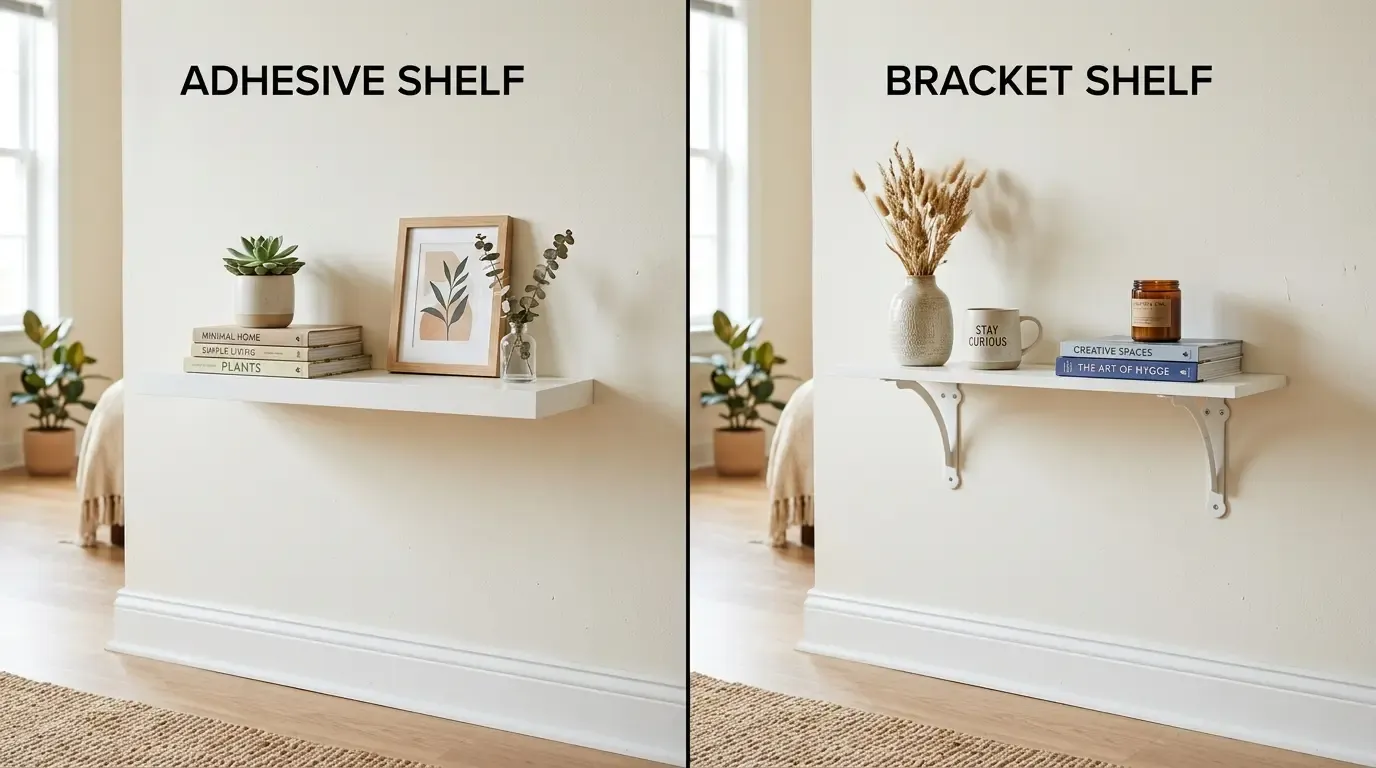 No-Drill vs Mounted Shelves for Renters
A direct comparison of no-drill and traditional mounted shelves weight capacity, surface damage, cost, and when each one makes sense for renters.
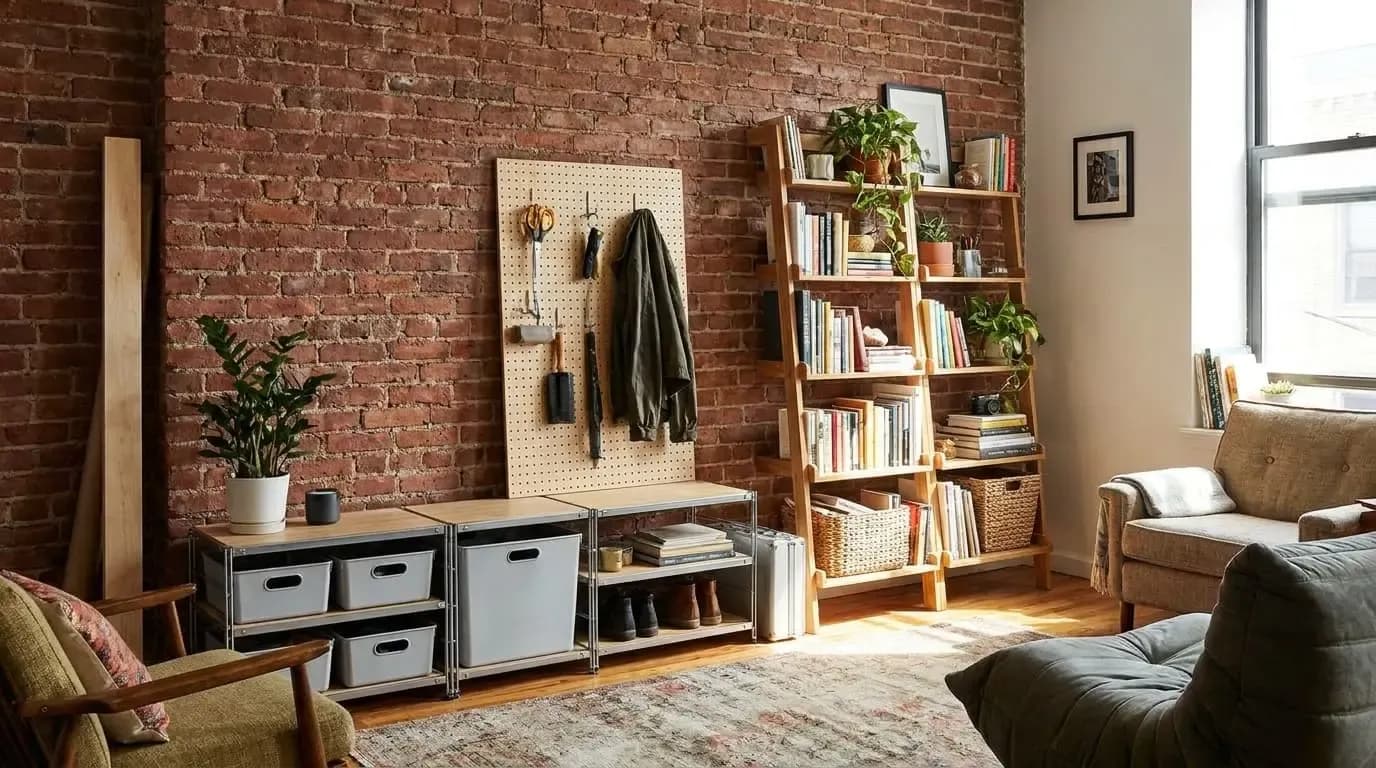 No Drill Storage on Brick and Textured Walls
No drill storage on brick and textured walls why standard adhesive solutions fail and which approaches actually work when your rental walls are not smooth.
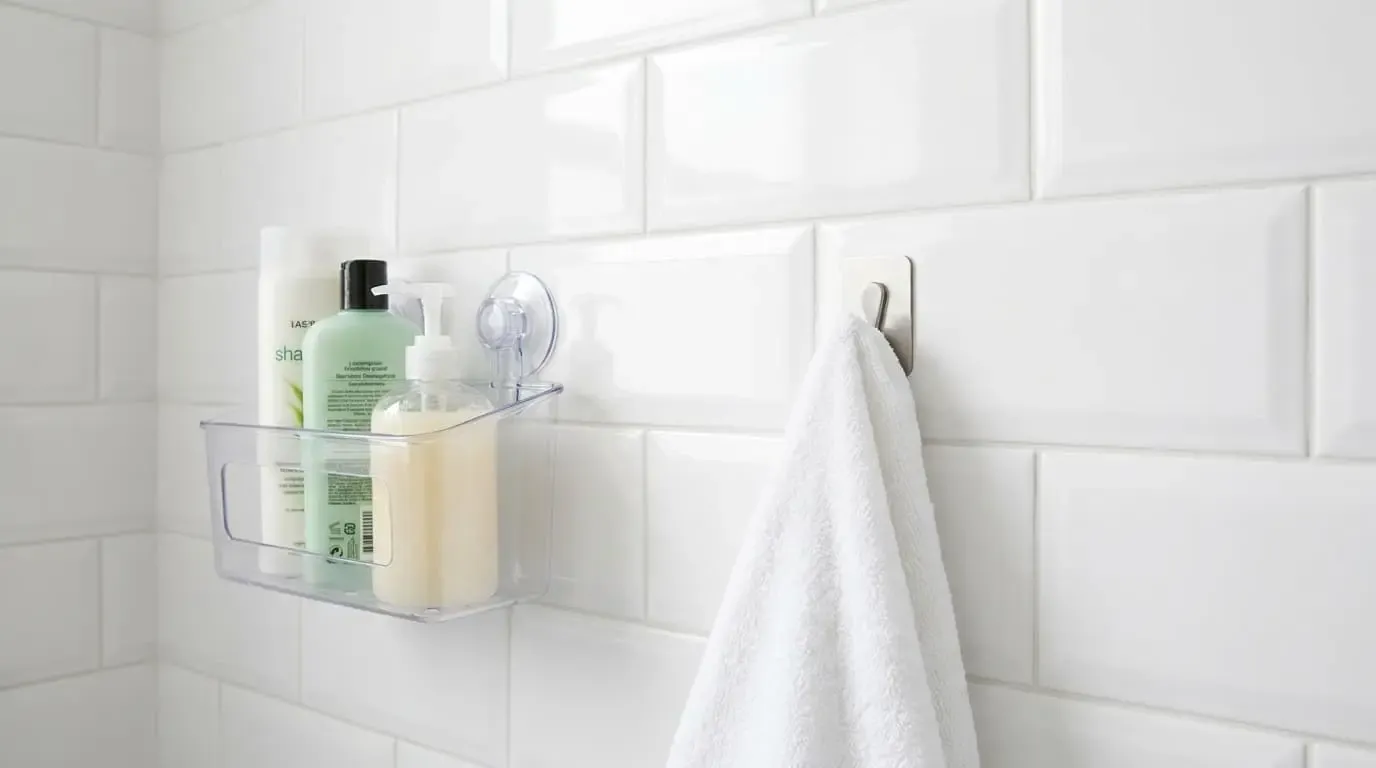 No Drill Storage on Tile Walls and What Actually Works
No drill storage on tile walls what works on glazed tile, what fails on matte and grout, and how to mount things securely without touching a drill.
Comments
No comments yet. Be the first to comment!