Renter-Friendly Solutions • 6 min read
No-Drill vs Mounted Shelves for Renters
 MyGlowHome Editorial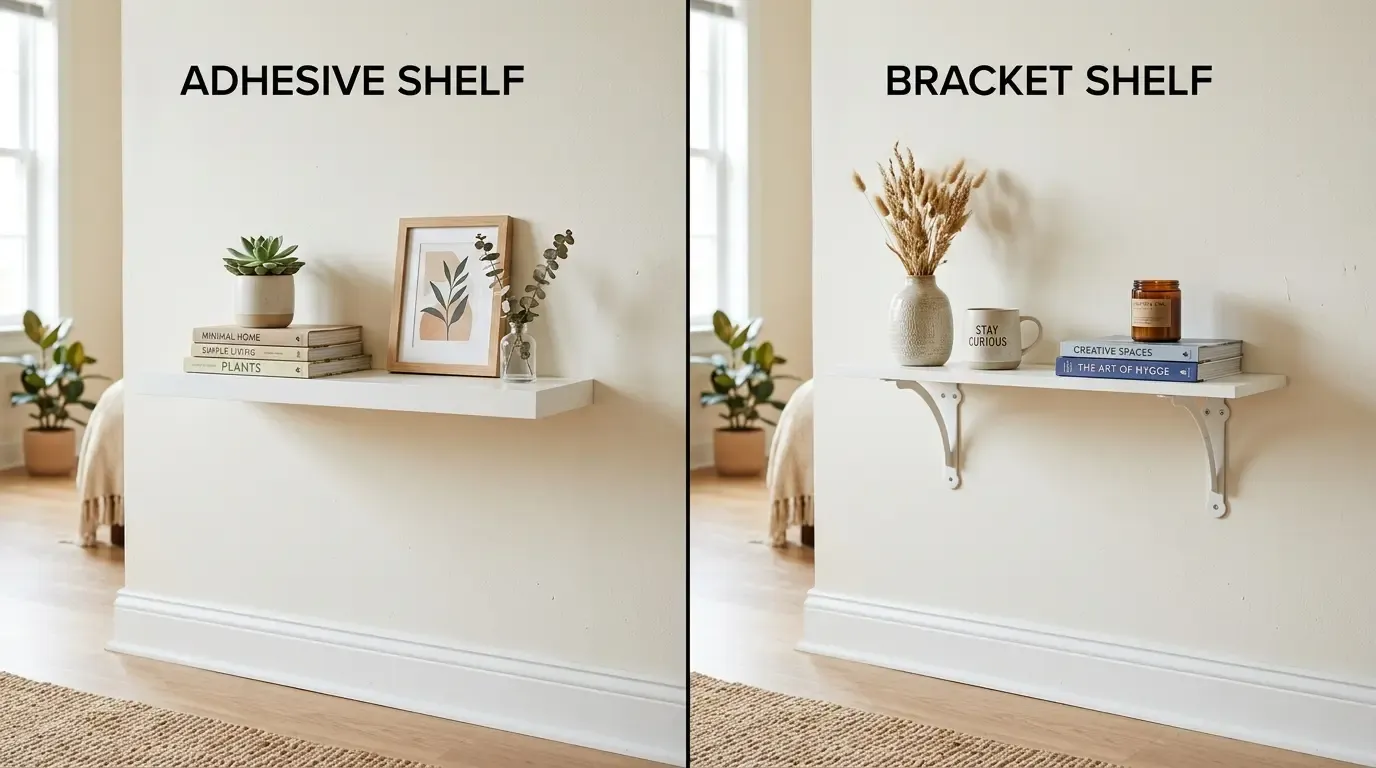
No-Drill Shelves vs Traditional Mounted Shelves: Which to Choose
Most renters frame this as a safety question. It is not. It is a capacity and deposit question and once you understand those two factors, the right choice becomes obvious for your specific situation.
Both types work. Both have real limits. The problem is that most renters pick based on aesthetics or assumption rather than what their walls, their lease, and their load actually require. If you have not yet decided which no-drill system fits your rental at all, which no-drill storage system is right for your rental is the better starting point before this comparison.
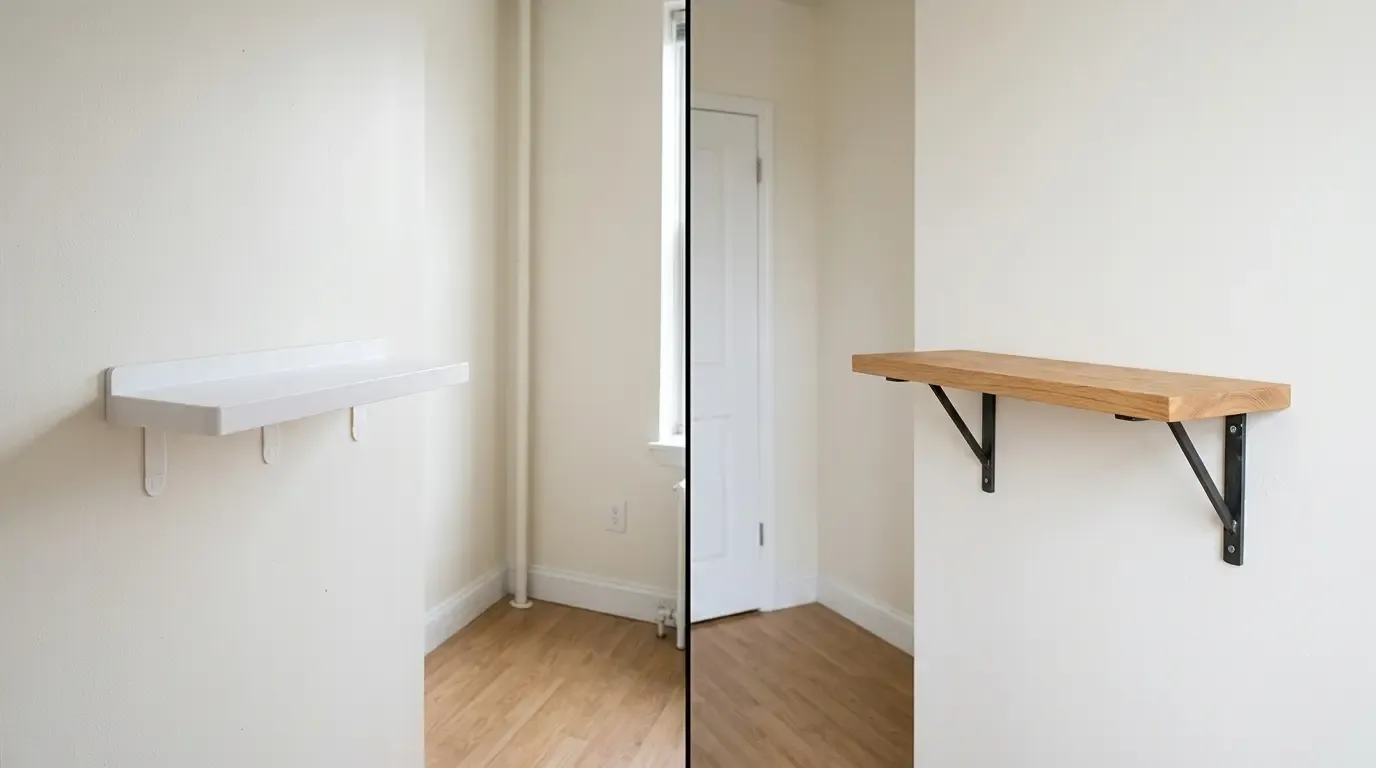
What You Are Actually Comparing
Traditional mounted shelves use wall anchors or screws driven into studs or drywall. They transfer load directly into the wall structure, which is why they can hold significantly more weight. The trade-off is permanent wall damage holes that need patching before you move out.
No-drill shelves rely on adhesive strips, tension systems, or freestanding frames. They leave no holes, but they are constrained by surface type, surface condition, and the physics of adhesion rather than mechanical fastening. If you want to see how the top adhesive wall shelf systems actually perform in practice, no-drill wall shelves that don't fall covers the specific products worth using.
Neither is universally better. The correct one depends on four things: your lease terms, your wall surface, your load requirements, and how long you plan to stay.
The Numbers That Actually Matter
Factor | No-Drill | Traditional Mounted |
|---|---|---|
Max weight (adhesive strips) | 5 to 15 lbs per strip pair | 30 to 80 lbs per bracket (stud-mounted) |
Max weight (tension/freestanding) | 20 to 50 lbs depending on unit | 50 to 100+ lbs per shelf |
Wall damage | None to minimal | Holes requiring patching |
Deposit risk | Low | Medium to high |
Surface flexibility |
The weight figures above reflect real-world working loads, not the maximum ratings on packaging. Manufacturers test under controlled lab conditions. Rental walls, humidity fluctuations, and gradual load creep push real-world numbers lower. For a full breakdown by system type, how much weight no-drill storage can actually hold has the verified figures.
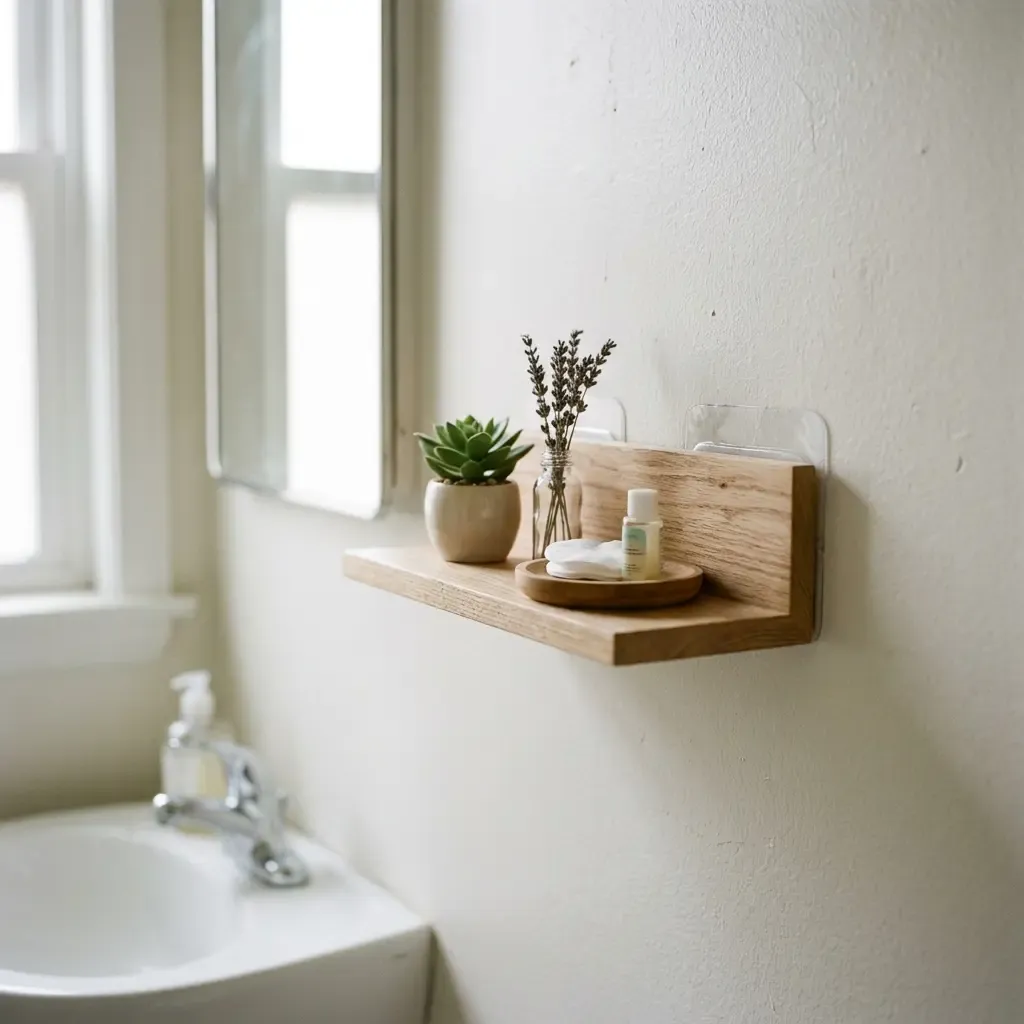
Where No-Drill Shelves Win
Deposit protection is the clearest advantage. Most standard leases include a clause requiring tenants to repair any wall modifications before vacating. Patching and repainting correctly costs money and time, and landlords vary widely in how strictly they apply this. No-drill shelves eliminate this risk entirely when installed correctly.
Surface flexibility matters more than most renters expect. Mounted shelves require studs or appropriate anchors. If your studs are not where you need them, your shelf placement is dictated by your walls, not your preference. No-drill systems go anywhere the surface can hold adhesion though if your rental has tile walls, the rules are narrower than on drywall, and no-drill storage on tile walls covers what actually bonds on that surface.
Renters who move frequently benefit disproportionately. Setup and removal take minutes. There is no patching, no touch-up paint, no trying to match the original wall color two years later.
Where Traditional Mounted Shelves Win
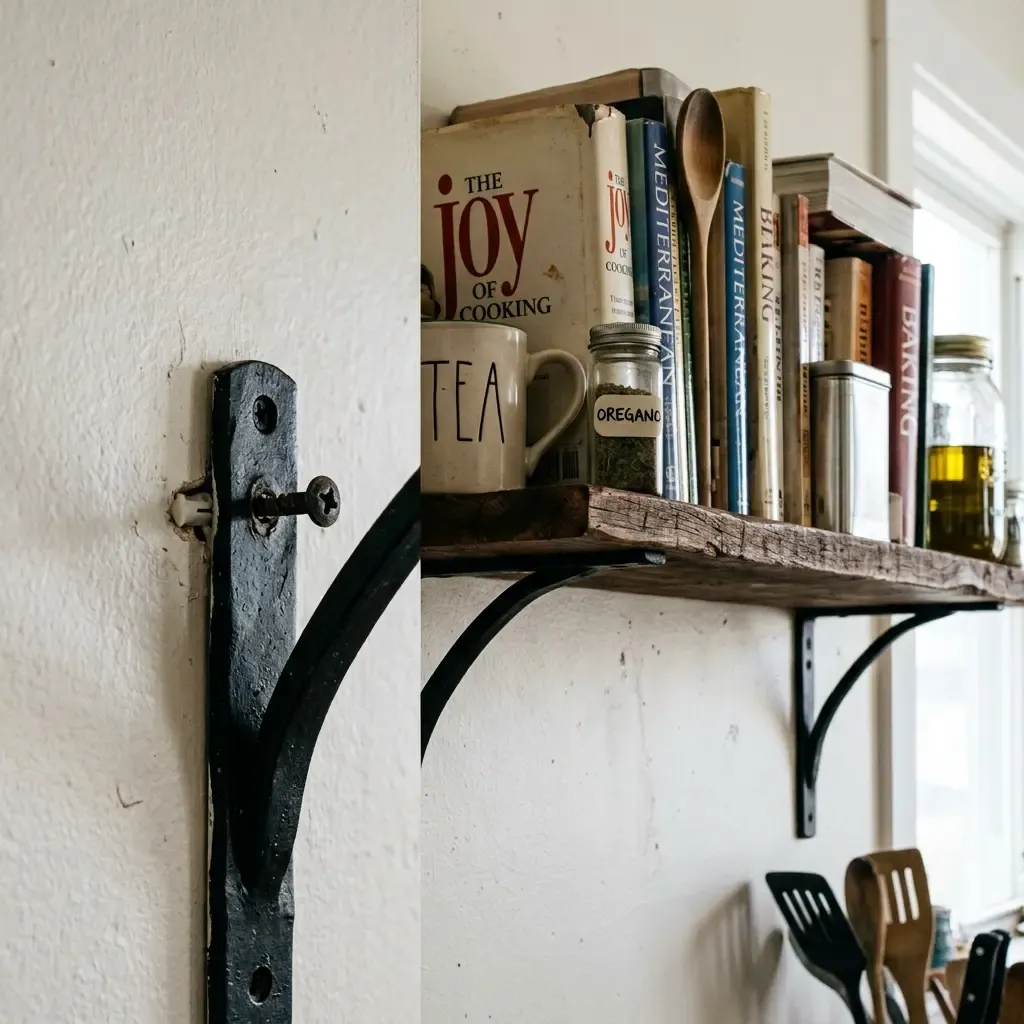
Load capacity is the hard limit no-drill systems cannot overcome. If you need to store books, records, kitchen equipment, tools, or anything that stacks and accumulates weight over time, adhesive systems will eventually fail or require you to spread the load so thinly across multiple shelves that the setup becomes impractical.
A single stud-mounted bracket, properly installed, can hold 30 to 50 pounds. A pair of stud-mounted brackets on a solid shelf can hold 80 pounds or more. No adhesive shelf system currently on the market comes close to that at the same footprint.
Structural reliability under daily use is also different. Mounted shelves do not respond to temperature changes, humidity shifts, or gradual adhesive fatigue. They stay where you put them for years without maintenance.
Long-term renters face a different calculation. If you have been in the same unit for three years and plan to stay another two, the deposit risk of two or three small holes is often worth the functional gain. A proper patch kit costs under $15. Professional patching and repainting is $50 to $150 for a small area. Weighed against years of reliable, high-capacity storage, that math often favours mounted.
The Deposit Risk Is Real, But It Is Also Manageable
This comes up in every comparison and it is worth being direct about it.
Drilling into walls does create a deposit risk, but the size of that risk depends on how you leave the walls. Two or three small screw holes, properly patched and touched up with matching paint, are genuinely hard to distinguish from normal wear and tear. Many landlords do not charge for them. Some will, especially in newer builds with strict turnover standards.
The risk is not zero, but it is also not as large as the framing around no-drill products tends to imply. If you are considering mounted shelves for heavy storage needs, factor in a $20 patch kit and a sample pot of wall paint, not an assumption that you will lose your entire deposit. And when the time comes to move out, how to remove adhesive hooks without damage walks through the full removal process so your no-drill installs come down as cleanly as they went up.
Where Most Renters Go Wrong
They underestimate how much they will eventually store. A shelf bought for a few candles and a plant gets loaded with books and kitchen equipment within a year. Adhesive systems installed for light use fail when the load grows. Plan for where your storage needs will be in 18 months, not where they are today.
They assume no-drill means no-maintenance. Adhesive strips degrade. Heat, humidity, and the natural oils on walls from cooking or cleaning accelerate that process. A no-drill shelf installed correctly today needs to be inspected every three to six months. A sagging shelf that pulls away from the wall does more damage to the paint than the screws it was meant to avoid. The full list of failure patterns is covered in no-drill storage mistakes that cause shelves to fall.
A Different Approach: Hybrid Setups
Most renters do not have to pick one system for the entire apartment. A practical hybrid covers both needs:
Use no-drill for light-duty, visible areas entryways, bathrooms, bedrooms, decorative shelving where load is under 10 pounds. Use mounted shelves or freestanding shelving units for high-load areas like kitchens, home offices, and anywhere you store books or equipment.
This approach keeps deposit risk concentrated in one or two locations where the trade-off is worth it, while using no-drill systems everywhere the load does not demand more.
The Right Choice for Most Renters
If your storage is light and your timeline is short: no-drill, without hesitation. The deposit protection is real and the convenience of damage-free removal is significant.
If you need genuine load capacity for books, kitchen gear, or anything heavy: mounted shelves or a quality freestanding unit. No adhesive system is a substitute for mechanical fastening when weight is the primary requirement.
If you are somewhere in the middle: assess your actual load, check your lease language on wall modifications, and factor in the realistic cost of patching at move-out. The answer is usually less dramatic than the no-drill marketing suggests.
Suggested Posts
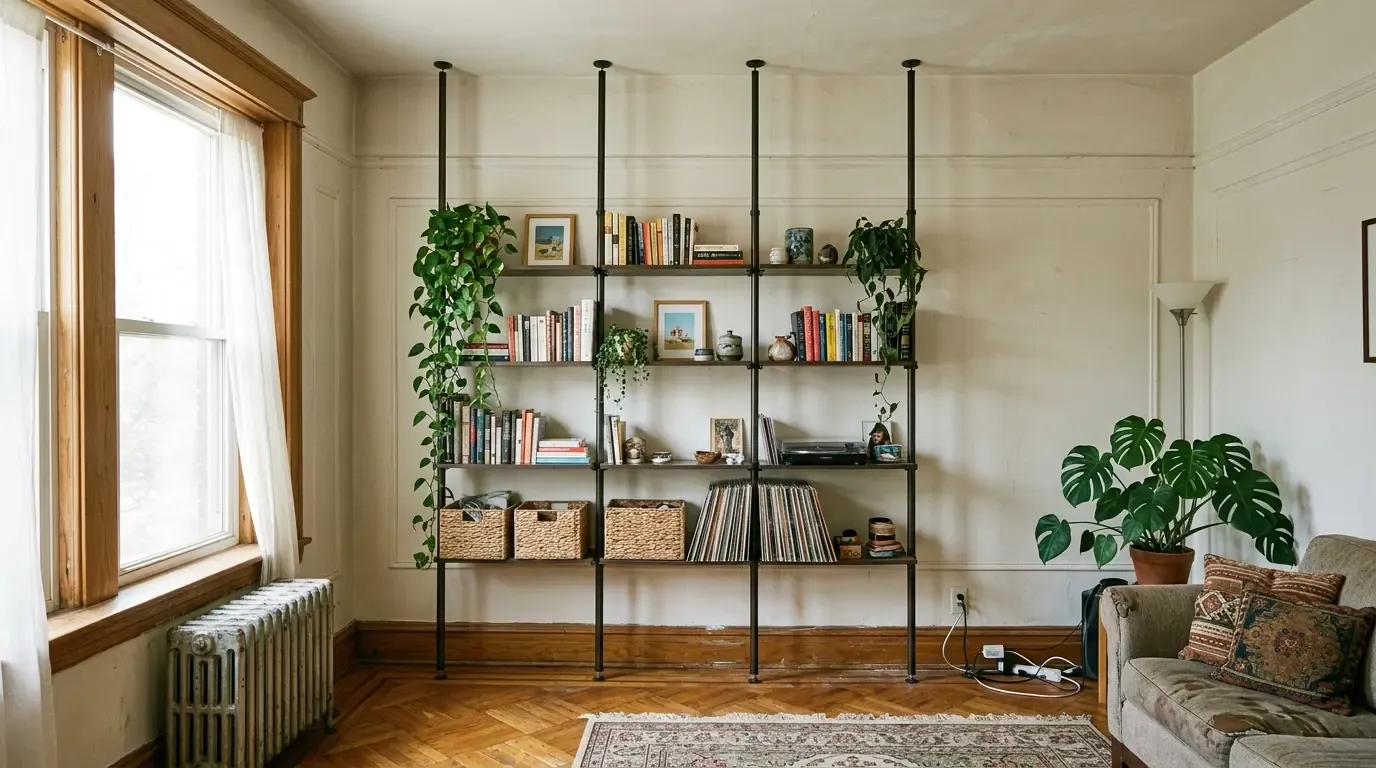 Best Tension Shelf Units for Apartments
A ranked list of the best tension pole shelf units for apartments covering load capacity, ceiling height compatibility, and stability without wall anchoring.
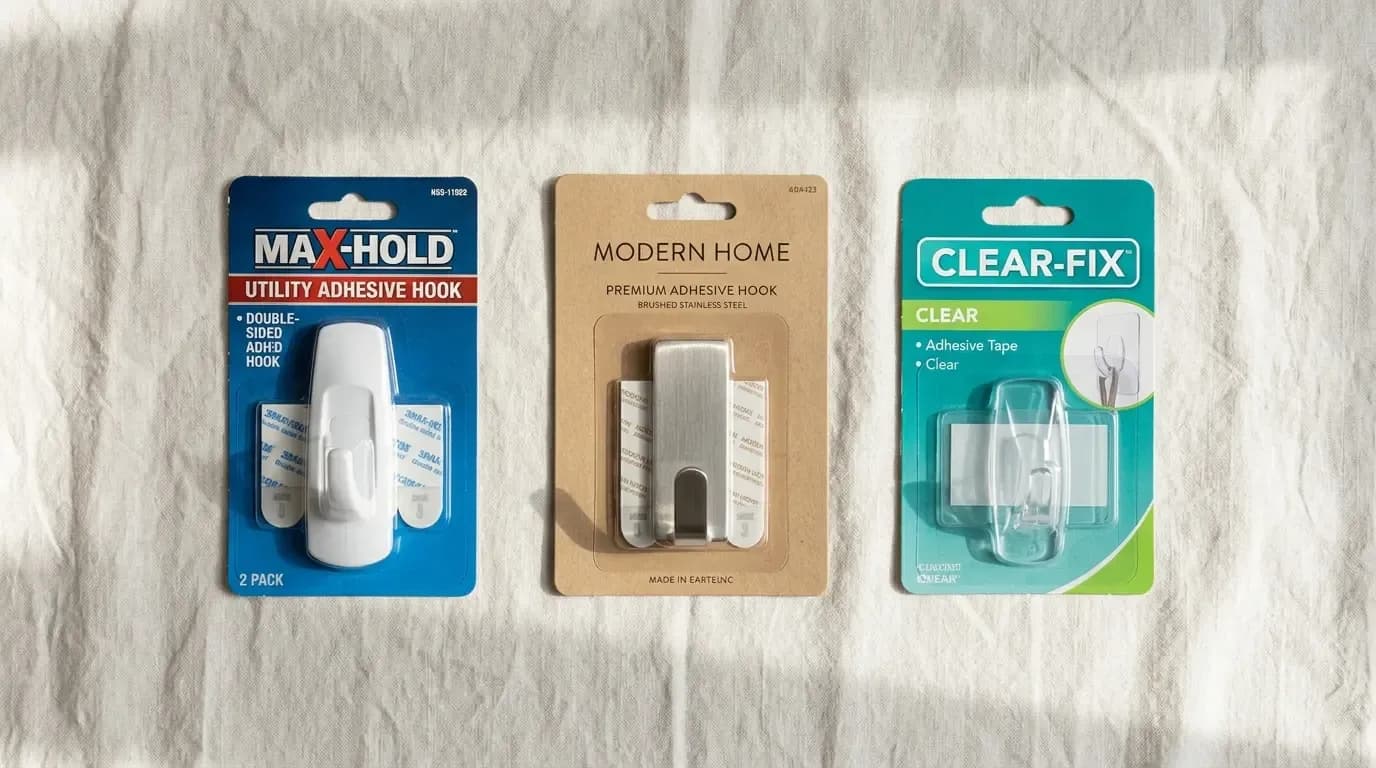 Gorilla vs 3M vs Command: Adhesive Hooks Ranked
A direct brand comparison of Gorilla, 3M, and Command adhesive hooks covering weight performance, surface tolerance, and removal reliability for renters.
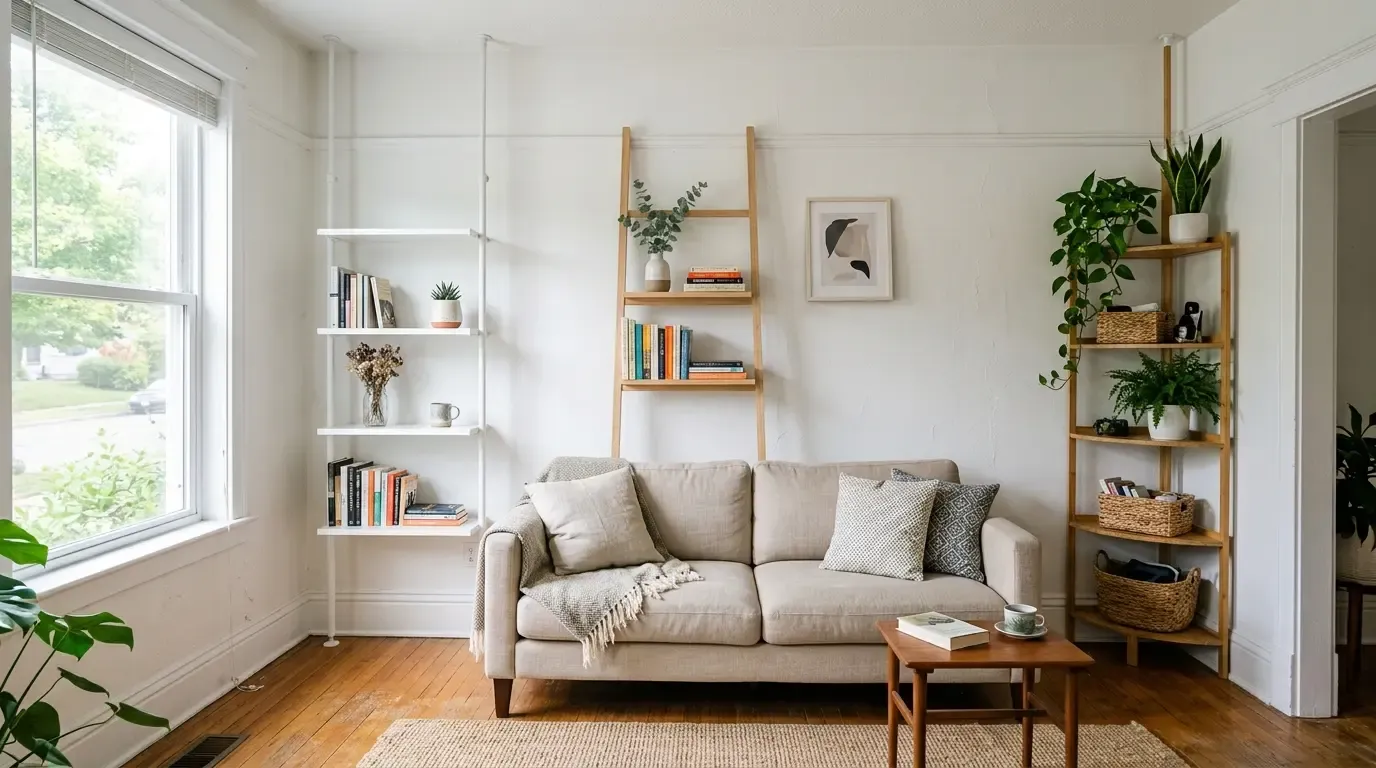 Best No-Drill Shelves for Renters 2026
A ranked list of the best no-drill shelf options for renters in 2026, tested by load type and surface compatibility, with deposit-safe picks for every room.
Comments
No comments yet. Be the first to comment!